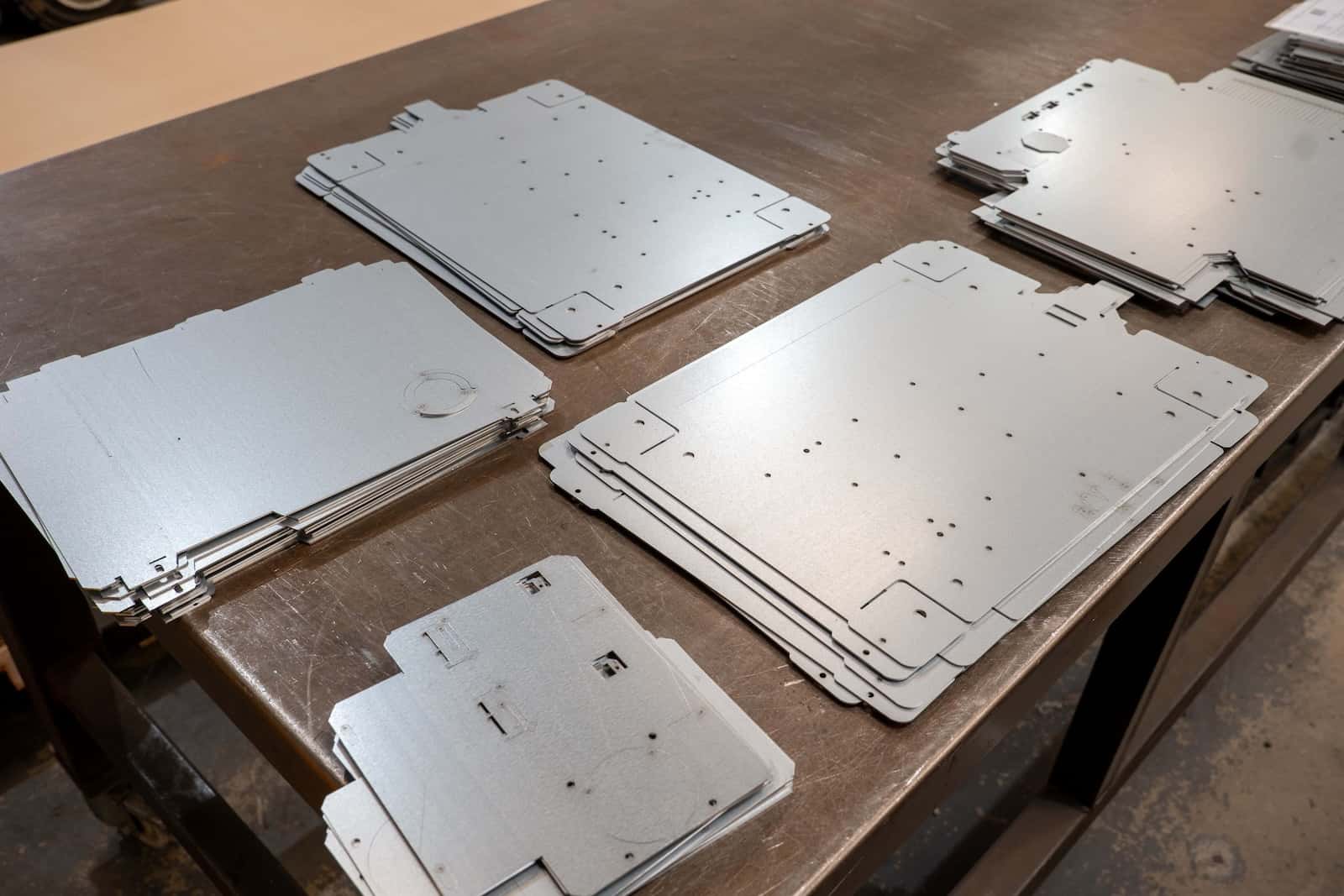
Hocklynn is a specialist aluminium fabrication company based in Bristol, producing bespoke components and assemblies for OEMs, equipment manufacturers and systems integrators across the UK. As an aluminium metal fabrication partner, we handle the complete process in-house, from laser cutting and CNC forming through to TIG welding, fastener insertion and powder coating.
Aluminium fabrication work demands a different skill set to steel. The material is softer, more thermally conductive and prone to marking if handled carelessly. Every stage of our aluminium fabrication process is set up to account for these properties, from dedicated tooling on our press brakes to trained welders who understand aluminium heat management.
We work on everything from one-off prototypes to scheduled repeat production runs. Most custom aluminium fabrication orders are short-run batches of 5 to 10 units, with engineering and setup completed on the first article and stored for efficient re-runs. Whether you need commercial aluminium fabrication for industrial equipment or specialist aluminium parts fabrication for instrumentation, we offer the same precision and technical support.
Our aluminium fabrication services cover the full range of sheet metal processes. If your product needs cutting, forming, welding, machining, finishing or assembly in aluminium, we can handle the complete job under one roof. This makes us a practical choice for OEMs looking for aluminium fabrication for OEMs that simplifies their supply chain.
Selecting the right alloy affects formability, weld quality, strength and cost. We regularly fabricate in three alloy families that cover the majority of industrial aluminium sheet fabrication applications.
1050 aluminium is a commercially pure grade with excellent formability and corrosion resistance. It bends easily with minimal springback and is commonly used for general-purpose enclosures, panels, covers and non-structural components.
5251 aluminium is a magnesium alloy offering a good balance of strength, formability and weld performance. It is widely used for industrial panels, brackets and fabricated assemblies where moderate strength is needed without the complications of heat-treatable alloys.
6082 aluminium is a structural alloy with higher tensile strength. It machines well and is suited to load-bearing brackets, frames and assemblies. 6082 is heat-treatable, and its properties after welding need to be considered during design. We advise on where this alloy suits the application and where alternatives might perform better.
We can advise on which alloy suits your application, balancing mechanical requirements against manufacturability and cost. This is particularly important for custom aluminium sheet fabrication where the alloy choice directly affects forming and joining performance.
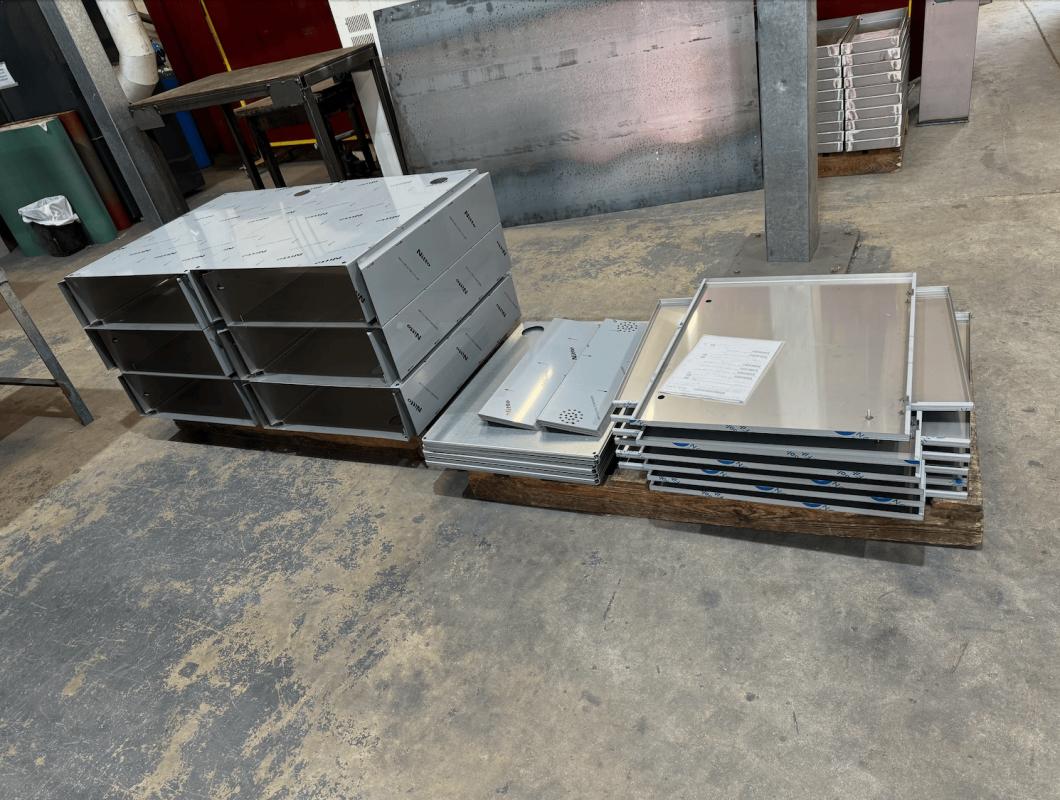
Every job starts with a technical review. We check your drawings or CAD files for dimensions, tolerances, alloy selection and bend sequences before any material is ordered. This upfront review catches potential issues early and avoids rework on the shop floor.
From there, parts move through a controlled aluminium fabrication process: CNC fibre laser cutting for accurate profiles, press brake forming on our LVD 8-axis machines for tight bends, and TIG welding for clean structural joints. Secondary operations including CNC machining, fastener insertion, deburring and powder coating complete the assembly.
Running the full CNC aluminium fabrication process in-house means fewer suppliers, shorter lead times and consistent quality from first article through to production batches. Every operation is managed under our own quality controls.
Our CNC fibre laser cuts aluminium sheet cleanly with minimal burr and tight tolerances. Aluminium reflects more laser energy than steel, so fibre laser technology is essential for consistent results. We cut aluminium up to 8mm thickness with the speed and precision needed for production-quality components.
We cut aluminium sheets up to 8mm thick, handling everything from intricate apertures and ventilation patterns through to simple blanks and brackets. Nesting software optimises sheet usage to keep material waste down, which matters given aluminium costs more per kilogram than mild steel.
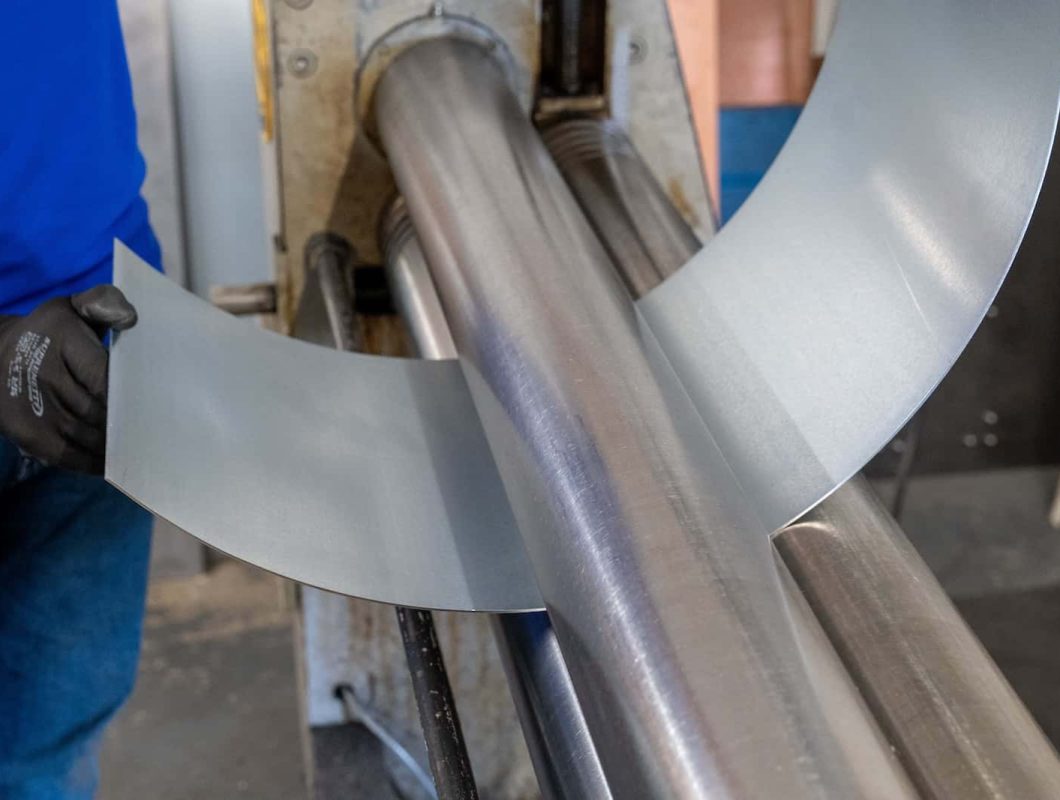
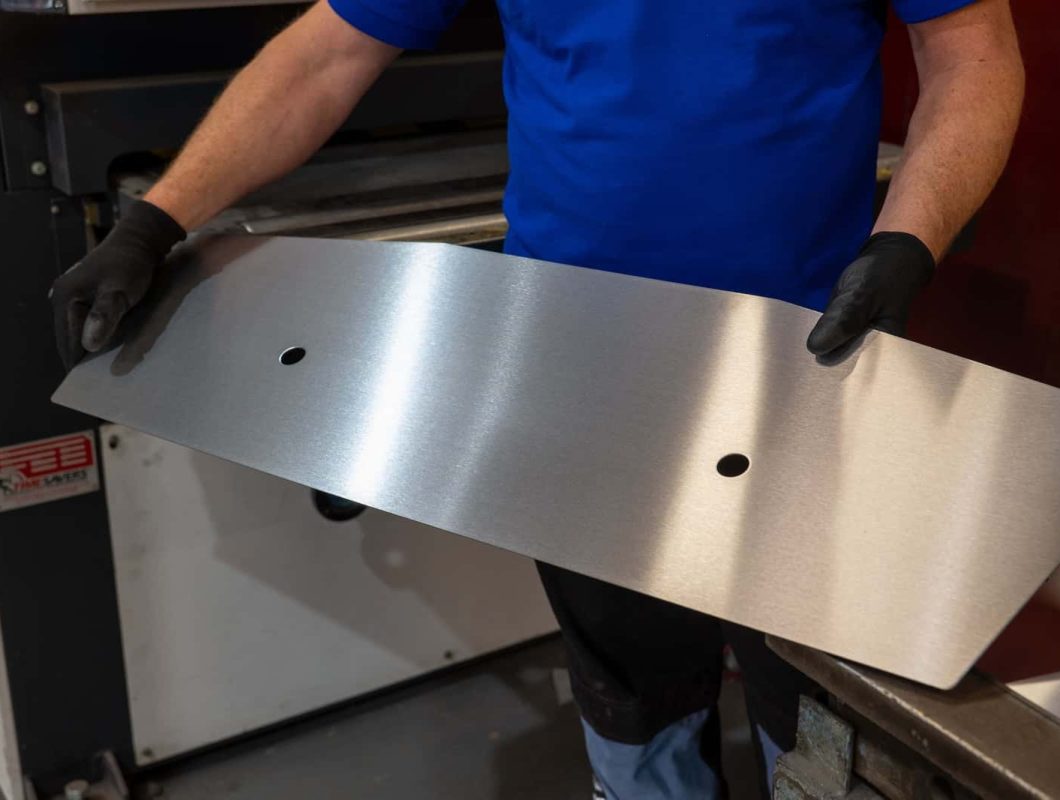
Aluminium forming requires careful attention to tooling selection and bend parameters. The material is softer than steel, which means it marks more easily under pressure. We use dedicated polyurethane and nylon tooling on our press brakes to prevent surface damage on visible components.
Springback behaviour varies between alloys. 1050 bends with minimal recovery, while 6082 springs back more and needs tighter compensation. Our press brake programs account for alloy-specific springback, so parts come off the machine within tolerance first time.
We form aluminium sheet up to 3 metres in length, producing everything from simple single-bend brackets to complex multi-bend enclosures and chassis components. This capability supports custom aluminium frame fabrication, custom aluminium profile fabrication and other applications where precise, repeatable bends are critical to the assembly.
Welding aluminium is one of the most demanding fabrication skills. The natural oxide layer on aluminium melts at a far higher temperature than the base metal, which means improper technique produces weak, contaminated joints. TIG welding with AC current breaks through this oxide layer and produces clean, controlled welds.
Our welders have years of experience in aluminium welding and fabrication. They understand the heat management needed to avoid distortion in thin sections, the filler rod selection for each alloy, and the joint preparation needed for strong, consistent results.
We also carry out MIG aluminium welding fabrication on thicker sections or where production speed is a factor. All aluminium welds are visually inspected and, where specified, tested to meet your quality requirements.
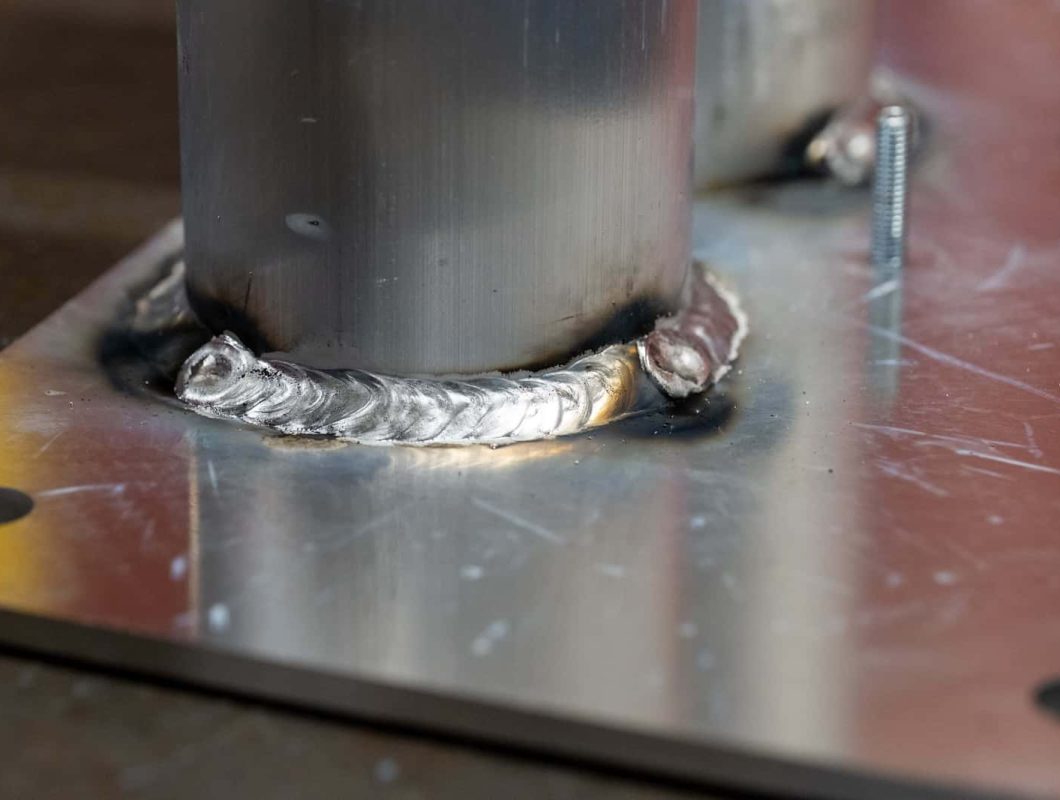
Aluminium naturally forms a thin oxide layer that provides baseline corrosion protection. For many industrial applications, this is sufficient. Where appearance or enhanced durability is needed, we offer a range of finishing options.
Powder coating is available across a wide range of RAL colours, giving your aluminium parts a durable, professional finish. For applications requiring anodising or specialist coatings, we work with trusted local suppliers and manage the process as part of the complete job.
We also provide deburring, bead blasting, brushed and polished finishes on aluminium. Surface preparation is carried out before finishing to ensure coatings adhere properly and the final product meets your specification.
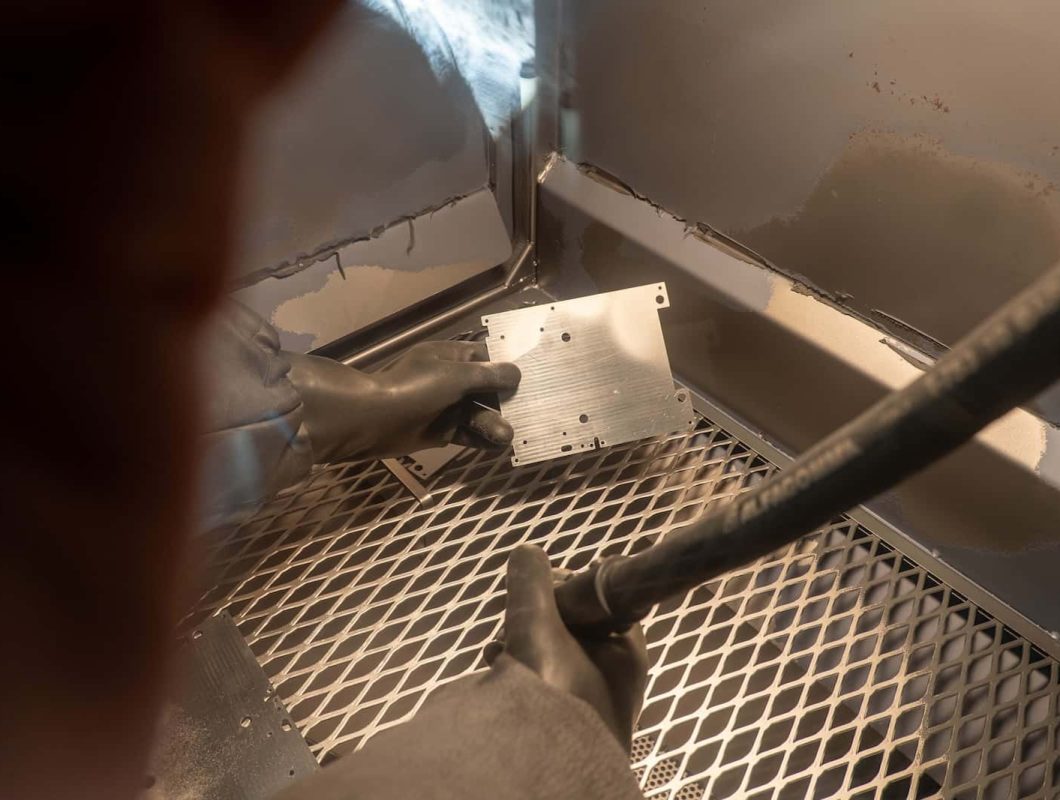
Some aluminium fabrications require machining after forming or welding to achieve final tolerances. We carry out CNC machining operations including drilling, tapping, countersinking and reaming as part of our aluminium fabrication and machining services, keeping the entire process under one roof.
We also handle fastener insertion, including self-clinching nuts, studs and standoffs, which are commonly specified on aluminium enclosures and panels where welding would distort thin sections or where parts need to be disassembled for service access.
Aluminium is the natural choice wherever weight, corrosion resistance or thermal conductivity are design priorities. We fabricate aluminium parts for a wide range of industrial aluminium fabrication applications:
Our customers include OEMs, systems integrators and equipment manufacturers who need a reliable aluminium parts fabrication supplier for ongoing production, not just one-off jobs. We handle large aluminium fabrication projects and smaller precision components with the same attention to quality.
Aluminium is increasingly specified for custom electrical enclosures, EV charging infrastructure, battery enclosures, renewable energy housings and telecommunications cabinets. These sectors value the combination of corrosion resistance, thermal conductivity and lightweight performance that aluminium fabrication products deliver.
Aluminium weighs roughly a third of mild steel, making it the default material choice for applications where weight is a constraint. Transport, portable equipment, wall-mounted housings and hand-held devices all benefit from the weight saving without sacrificing structural integrity.
The material also conducts heat well, which matters for enclosures housing electrical or electronic components that generate thermal load. Aluminium provides natural corrosion resistance without additional coatings, though anodising or powder coating extends its lifespan further in harsh environments.
Aluminium can be fabricated using the same cutting, forming and joining methods as steel, but each process needs adjusting for the material properties. This is where working with an experienced aluminium fabrication company matters. We handle everything from lightweight housings through to aluminium heavy duty metal fabrication for industrial equipment and structural assemblies.
Choosing between aluminium and steel for your product depends on the application. Aluminium is roughly a third of the weight of mild steel and offers natural corrosion resistance, but steel is stronger per unit thickness and cheaper by weight.
Steel is the better option for heavy-duty structural components and cost-driven commodity parts where weight is not a factor. Aluminium makes more sense where weight reduction, corrosion resistance, thermal conductivity or a premium finish are priorities. Understanding the steel vs aluminium fabrication tradeoffs early in the design process saves time and money.
We fabricate in both materials and can advise which one makes the most sense for your specific application. In some cases, a combination of steel and aluminium fabrication works best, using each material where its properties add the most value. As a company experienced in stainless steel and aluminium fabrication, we can help you make that decision based on real manufacturing data, not guesswork.
Getting the design right before cutting starts saves time and money. We review every aluminium project for manufacturability, checking bend radii, material thickness, weld joint access, tolerance stacks and assembly sequences.
Aluminium has different design rules to steel. Minimum bend radii are generally larger for harder alloys like 6082.
Weld joint design needs more thought due to heat distortion. Fastener locations need to account for aluminium’s lower thread engagement strength compared to steel.
We work with your design engineers to flag potential issues early and suggest modifications that maintain your product performance while reducing manufacturing cost and lead time. This DFM input is one of the main reasons our custom aluminium fabrication customers come back for repeat work.
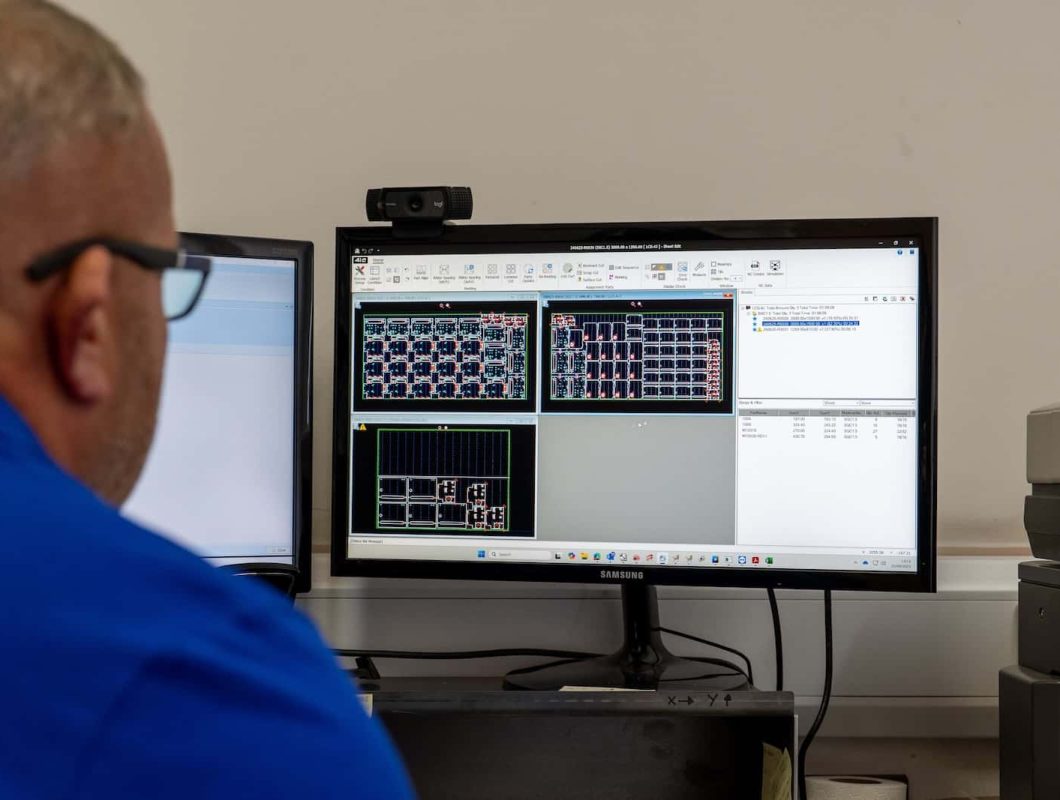
Many aluminium projects start withour sheet metal prototyping service or small development batch. We support this by offering fast turnaround on first articles, then storing all CNC data and tooling setups so repeat orders can be produced efficiently without re-engineering.
This prototype-to-production approach keeps your costs down and your quality consistent. We work with your design team to review the manufacturing feasibility of each part during prototyping, so the transition to production is smooth.
Most of our aluminium customers run scheduled call-offs against a blanket order. We hold your CNC data, keep material in stock where volumes justify it, and deliver parts to your production schedule. As aluminium parts fabrication suppliers, we understand that reliable delivery matters as much as quality.
Aluminium fabrication is the process of transforming aluminium sheet, plate or extrusions into finished components and assemblies. It involves cutting, forming, welding, machining and finishing operations to produce parts to an engineering specification. At Hocklynn, we specialise in aluminium sheet metal fabrication for industrial and OEM applications.
For most aluminium sheet fabrication work, 1050 and 5251 are the standard choices. 1050 offers easy forming and good corrosion resistance. 5251 adds strength and welds cleanly. 6082 is used where structural strength is needed but requires more care during forming and welding. We also carry out aluminium plate fabrication in thicker gauges where the application demands it.
Aluminium material costs more per kilogram than mild steel, but the overall project cost depends on the design, alloy, finishing requirements and batch size. Aluminium can reduce total product cost through lighter weight, natural corrosion resistance and simpler finishing requirements.
Yes. We TIG weld aluminium sheet across all the alloys we fabricate. TIG welding with AC current produces clean, strong joints in thin aluminium sections. Our aluminium welding and fabrication capability covers everything from small enclosure seams to structural assembly welds.
Lead times depend on complexity, batch size and current workshop loading. Simple laser cut and formed parts can ship within a few days. Welded assemblies with finishing typically take 2 to 3 weeks. Repeat orders are faster because all setup work is already done.
Need a quote, technical advice or lead time confirmation? Send us your drawings or specifications and one of our engineers will get back to you with clear pricing and a realistic schedule.
Call 0117 951 7572 or email sales@hocklynn.co.uk